Travel Tips

Post Top Ad

Tuesday, 20 June 2017

Easy Getaways for an Epic Weekend Outside the US

June 20, 2017 0
People misread the American dream. It's not working yourself dizzy till you retire in a house you spent 30 years paying off. It's emailing your boss tomorrow to say you won't be in on Monday, or ever again, because you’ve gone exploring. There's a reason one of Google's favorite autofills after "quit my job and" is "travel the world."
Getting the hell out never goes out of style. But traveling -- like every other blasted thing in life -- requires money. So we'll see you back at your desk on Monday after all. 

San Felipe del Morro

San Juan, Puerto Rico

Travel time: A three- to five-hour nonstop flight from major hubs like JFK, O’Hare, Dallas-Fort Worth, and Miami to the capital city of San Juan will only set you back around $300 to $350 during low season.
Why you'll love it: You don’t need a passport to feel like you’ve stepped out of the country when you amble through San Juan’s tangle of blue cobblestone streets, vibrantly painted alleys, and Spanish colonial buildings draped with bougainvillea. Mighty forts, grand old churches, and remarkable restaurants all host a steady ebb and flow of tourists clambering off cruise ships for a few hours. You, having booked a few nights, get to slow down a bit.  
Carve your own trails in Old San Juan to stumble upon offbeat spots like Mi Pequeño, a local shop that makes and sells hand-painted reproductions of San Juan’s doors and building facades. Stop by Caribar at Caribe Hilton, birthplace of the piña colada, and treat yourself to some yummy nosh and cocktails. Explore the brilliant street art of the Santurce neighborhood. Then day-trip: Among the best excursions are Vieques’ bioluminescent bay; the adventure park of Toroverde, where visitors can hop zip-lines -- some of the longest in the world -- over a lush canopy of trees; and El Yunque, the only tropical rainforest in the States. Well, sort of in the States. -- Michelle Rae Uy, Thrillist contributor

Kathleen Lake in Kluane National Park, Yukon
You’ll have plenty of sunshine, too. During the summer months, the “midnight sun” stays up until well after the witching hour. So float down the mighty Yukon River on a white-water rafting trip or chat up the friendly locals -- they’re all in bands, and will low-key try to convince you to move here (they may be onto something). Just don’t check the time, and your long weekend will feel like an endless summer. -- Ryan MacDonald, Thrillist contributor

Hamilton, Bermuda
Or, save your dough -- even if you don’t want to spend hedge-fund-manager dollars, you can enjoy the same beaches. Or venture onto the bicycle trails, try a stand-up paddleboard, and walk around Hamilton’s Downtown. It’s quaint, relaxing, and a shorter flight home than some New Yorkers’ morning commutes. -- Emily Zemler, Thrillist contributor

The Three Greyhounds in London
Not only do Londoners order drinks in a better accent than wherever you’re from, they are just undeniably more fun. Don your best day-to-night outfit and set out to explore the stone streets of Covent Gardens for boutique shopping, then pop into Soho’s posh stores and Berwick Street Market for a bite and perhaps even venture out to Brockley (pronounced broccoli) or Barnsbury to people watch and drink your way around the up-and-coming neighborhoods like a local. Because everything is so packed together throughout the city (which is all connected by public transit), you can hit up impressive amounts of pubs, shops, food stalls, restaurants, and even shows in a mere three days. So fetch. -- Melissa Kravitz, Thrillist contributor

Antigua, Guatemala
Why you'll love it: You’ll spend the weekend getting off your butt and off your phone. Go bar hopping through Antigua’s cobblestone streets after fueling up on legit street food in Parque La Merced. Then burn off those tacos and beers with a hike up one of the volcanoes surrounding the town. If one of them is particularly active, join an overnight trip with OX Expeditions (~$100) where you’ll camp in view of exploding lava and hike to the peak at sunrise.
Or put on flip-flops and take a shuttle three hours west to the shores of Lake Atitlán, which is so chilled out and pretty that backpackers regularly get stuck here for months at a time. There are about a dozen different lakeside towns to choose from: Panajachel, San Pedro, and San Marcos are the most popular with travelers, but it’s also worth visiting one of the more traditional Mayan pueblos to catch indigenous villagers going about their everyday lives -- and maybe to pick up a traditional multicolored blanket or two. It'll really tie your lounge room together. -- Sarah Theeboom, Thrillist contributor

Quebec City, Quebec, Canada

Quebec City, Quebec

Travel time: You can drive there from Boston in about six hours. From the East Coast, it’s one connection through JFK; from the Midwest, through Chicago. If you can get to either of those airports, the flight is just a couple of hours.
Why you’ll love it: Quebec City is the most French place I’ve ever been. And I’ve been to France. Not only are the francophone people a cultural immersion that it’s hard to find north of the border, the streets here look like the opening sequence to Beauty and the Beast. Small, European buildings packed closely next to each other, where bakeries alternate with cafes, brasseries, and bars making for a completely walkable vacation. It’s also the only walled city north of Mexico, and during the summer you can climb atop the rampart and do a lap over the entire Old City. In the winter, it’s home to Carnaval de Quebec, a sort of snowbound Mardi Gras where people jam the streets, sub-freezing temperatures be damned. Quebec City is the most European experience you can get in a weekend away from the States, and a city unlike anything else you’ll find in North America. -- Matt Meltzer, Thrillist contributor
 
Virgin Gorda, British Virgin Islands

The British Virgin Islands

Travel time: From Miami, a nonstop flight to Tortola is under three hours. But you can fly to St. Thomas in the USVI from New York, Miami, Atlanta, Charlotte, and other major hubs in just a few hours, and take a short, scenic ferry ride to any of the four islands. If you leave work at noon to catch your first flight, you’ll be eating dinner on a beach by sunset.
Why you’ll love it: The BVI is, quite simply, the nicest destination in the Caribbean. Despite being a British territory the islands are distinctly Caribbean, where small fruit markets, windy roads with rickety cars, and slow-moving roti shops abound. But because the people who frequent the BVI have money, the infrastructure is better than you’ll find in most of the Caribbean. The islands are nice, but it’s not a “you-can’t-sit-with-us” kind of exclusivity one might find in St. Martin or St. Barts. Here yachtsman pour into a ramshackle beach bar called Foxy’s on the island Jost Van Dyke, sipping cheap beer on the white sand with no pretension. Jost is also home to White Bay, one of the world’s most beautiful beaches that’s also lined with cheap bars and no attitude. -- Matt Meltzer, Thrillist contributor
 
lunch in Mexico City

Mexico City, Mexico

Travel time: Direct flights from major airports will get you into el DF quick: 2.5 hours from Dallas, three hours from Miami, four hours from LA, five from NYC. Round-trip fare usually ranges from $300-$500. Or go all On the Road with it: From San Antonio you’re a 16-hour drive away.
Why you'll love it: Anything feels possible here. Spend an afternoon wandering the tree-lined streets of super-trendy La Condesa or La Roma (like a Paris that rides the bus to work), and sip artisanal coffee while eavesdropping on local slang (no mames guey!). Get cultured in the Centro Historico, where grand colonial buildings and churches tower over the electric, modern murals that line the alleys. The top draft choices among the 150 museums in the city are the stunning Museum of Anthropology and the Casa Azul of Frida Kahlo. Do ‘em both.
At night, the city comes alive -- as will you, when you sample pulque (a traditional, fermented agave drink, flavored with strawberry or celery) and befriend the mariachi band busking on the sidewalk. Get a midnight snack of the capital’s renowned tacos al pastor, then stumble off to dance until the sunrise. Don’t forget a day trip to the epic, pre-Hispanic city of Teotihuacan, where climbing the steep steps of the ancient pyramids will leave you eager for a long lunch in a restaurant in the desert: right next to a cactus farm. -- Laura Yan, Thrillist contributor

Lisbon, Portugal

Travel time: About 7 hours from the northeast or 8 hours from Miami. Boston is the sleeper deal here: New England has a huge Portuguese population, and you can often find round-trip deals between Logan and Lisbon in the $400s, rivaling the best New York prices.
Why you’ll love it: Think of Lisbon as a Barcelona that hasn’t been swarmed yet. It’s cheap, it’s beautiful, and the food and wine are fantastic. You’ll want to spend your evenings drinking and eating your way through the streets of Bairro Alto on the northwest side of Lisbon’s Downtown, but make sure to take day trips to both Belém and the panoramic views of the Atlantic Ocean in Sintra. (Belém is just a seaside tram ride away from Downtown Lisbon and it’s worth the ride just to get pastéis de Belém, the Portuguese egg custard pastry, where it was perfected back in 1837.) And yes, go see a Fado, ideally at A Baiuca and preferably with a few bottles of Vinho Verde. Then catch a flight home by noon Sunday: With the time change, you’ll be back in New York by midnight, the perfect crime before showing up bleary but unbowed on Monday morning. -- T.M. Brown, Thrillist contributor
Read More

Saturday, 17 June 2017

Freaky-Beautiful Island Is Australia's Most Underrated Treasure

June 17, 2017 0
Tasmania, an island off an island at the bottom of the world, may well be Australia’s best-kept secret. As an Australian, it took me six years of traveling to finally reach this isolated paradise, and there was an instant attraction. As I stood on the boardwalk looking out over North and South Bruny Island I knew I’d found the most magical corner of my homeland. Imagine hand-selecting all the incredible things from a country the size of the United States and concentrating them onto an island the size of West Virginia. That’s Tasmania. 

Hobart

Hobart, seen from Mount Wellington

The whipping winds up here, 4,170 feet above sea level, have reached more than 100mph, and temperatures might be 50 degrees colder than at the foot of the mountain. But on a clear day, just a half-hour’s drive from the middle of Hobart, the views make up for the weather. 

Tasman Arch

Tasman Arch

This abnormal geological formation is a highlight of the Tasman National Park -- a place of rugged oceanside terrain and exquisite natural beauty.

The Gardens, bay of Fires

The Garden, Bay of Fires

This 29-mile-long coast was named for actual fires in 1773 -- but the bright lichen on its granite boulders gave sticking power to the name. This dramatic landscape of pale sand, dazzling water, and orange-caked rocks draws visitors to Tasmania’s northeastern coast. 

Battery Point

Battery Point

Named for the gun battery that resided here and protected Hobart from marine threats, Battery Point attracts history buffs from all over. This oceanside suburb has the ultimate finish line view of the annual Sydney to Hobart Yacht Race (and a spectacular sunrise over River Derwent). 

Cape Raoul cliffs

Cape Raoul Cliffs

As you reach the jagged point of the Tasman Peninsula and see the raw, untouched beauty of the Cape Raoul Cliffs, you’ll understand why the locals are proud to be Tasmanian. The majestic towering columns will leave you in awe.

Hobart Gallery

Tasmanian Museum and Art Gallery

Although quite a young country in comparison, Hobart houses some of the oldest architecture in Australia. The Tasmanian Museum and Art Gallery was established in 1846, making this 171-year-old building one of the city’s most historic and revered.

Gordon Dam

Gordon River Dam

In the heart of Tasmania’s southwest wilderness, lies the Gordon Dam, a 460-foot-tall concrete wall that you can abseil down. So if you’re looking for some adrenaline on your trip to Tasmania, Aardvark Adventures will let you descend the highest commercial abseil in the world. Dam.

Port Arthur

Port Arthur

Some 40 miles from Hobart you’ll find Port Arthur, Tasmania’s most-visited tourist attraction and the location of a 1996 massacre that still ranks as the worst mass murder event in Australian history. What does it say about us that our favorite tourist attraction is an open-air museum associated with atrocity? I’ll leave that to you to theorize. 

Dove Lake. Cradle Mountain

Dove Lake, Cradle Mountain

Sitting 5,000 feet above sea level, this UNESCO World Heritage Site is one of the most popular (and beautiful) tourist attractions in Tasmania. Bring your best hiking boots -- the Cradle Mountain hike is a strenuous 6.5-hour return hike that involves clambering over large boulders for hundreds of meters.
Read More

Why the World's Friendliest Country Attracts the Most Hardcore Travelers

June 17, 2017 0
Mount Everest Base Camp

On a map, Nepal is dwarfed by its two giant neighbors: India and China. But in the travel stakes, this modest country punches way above its weight. It was No. 5 on Lonely Planet’s top destinations for 2017 and No. 4 on Rough Guides' list of the world’s friendliest countries. Nepalese people are tough, deeply spiritual (fun fact: The Buddha was born in Nepal), and ridiculously nice. So nice that a hotel operator will put a couple of guests in his own bedroom when he runs out of doubles and has only twin rooms left. (Shout out to Green Tara Resort in Namche Bazaar.)
When you visit -- and you should visit Nepal, at least once in your life -- you’ll find Nepalese locals chill and welcoming. It’s a surprisingly easy destination for English speakers, and one of the world’s finest small(ish) countries to visit, with the population of Texas packed in a space about the size of Iowa.


Namche Bazaar Village

Eight of the 10 tallest mountains in the world are accessible from Nepal

The roster of mountains in Nepal includes Annapurna and Everest, which anchor two of the most unforgettable hikes you’ll ever do: the Annapurna Circuit and Everest Base Camp. There’s a theory that your insanity level is directly proportional to how high you try to climb. I’m in awe of the people who set out to summit these titans, but you’ve got to be slightly unhinged to decide it’s worth $30k to $100k and possibly your life. Annapurna has a 28% fatality rate among summiters; Everest -- which the Nepalese call Sagarmatha, meaning “mother of the universe” -- averages eight fatalities per year, reaching 17 some seasons. And I mean, have you seen the movie Everest? (Spoiler: Almost everyone dies.)
Summiting Everest is one thing, but hiking to Everest Base Camp (17,500 feet above sea level) is far more achievable and enjoyable. Just ask the Californian couple who recently got hitched there or anyone who went to Paul Oakenfold’s “highest dance party on Earth.” EBC is where climbers set up camp for a month or two as they acclimatize and prepare to summit, and it’s the starting point for their ascent. To hike there takes around two weeks. Anyone with a decent fitness level can manage it. One girl I was traveling with had never actually hiked before that trip, but decided she wanted to do it after (spoiler) watching Jake Gyllenhaal freeze to death in the Everest movie. Like I said, travelers in Nepal can be kind of nuts. 

gurung village in the Annapurna Sanctuary trail 

If you want to see Everest climbers in action, head there in the spring

There are two trekking seasons: spring (March to May) and fall (September to December). But the best time to go is in April and May, when you’ll cross paths with the climbers headed for the peak. You’ll see their tents at base camp and probably meet some of them at the tea houses along the way. (Tea houses are basic lodges with communal dining rooms, and they’re the only accommodation up in the mountains.) At one tea house I chatted with a guy who was being dispatched by an adventure gear company that wanted to test its newest textile in the most intense conditions on Earth. At another I hung out with Xia Boyu, a 66-year-old Chinese man who is either the most inspirational or the most insane person I’ve ever met. Possibly both.
Xia first attempted to summit Everest in 1975 but poor weather conditions cut his expedition short. On the way down he gave his sleeping bag to a fellow climber and lost both his feet to frostbite as a result. Over the ensuing decades he had survived cancer and become a respected athlete. He returned to tackle the mountain with prosthetic legs in 2014 and 2015 only to see natural disasters prevent his ascent. When I met him in 2016 he was embarking on his fourth and final attempt. I read later that he had gotten close but not all the way to the summit. Who knows -- maybe a dude like that has a fifth try in him somewhere. 

view of Everest from Gokyo Ri 

So how much does this epic hike cost?

There are two ways to hike to EBC: organize it yourself or pay a tour company to do it for you. Expect to spend at least $1,000 on a reputable local tour company. They’ll organize guides and porters to carry your gear, and take care of all logistics like accommodation and meals. If you’re hiking independently you can get by on $20-$30 per day, plus additional costs like permits (around $50) and transfers to and from Kathmandu (around $350). You may also want to hire a licensed guide (from $25 per day) and/or porter (from $10 per day). Their expertise can be valuable even off the trail. Our guide knew to call ahead when a tea house was likely to book out, and tipped me off to garlic soup as a salve for my altitude-induced headaches.
For DIY-ers, a good guidebook and thorough research is essential. This isn’t the kind of trip where a lack of preparation denotes a seasoned traveler; taking risks at high altitude is dumb, not funny. The biggest danger on the mountain is altitude sickness which, depending on the severity, can cause symptoms that can go from dizziness to diarrhea to death. If you ascend too fast and don’t give your body a chance to acclimatize, the altitude will fuck you up, like it fucked up the guy I saw being heli-evacuated off the mountain. The fool was hiking solo and didn’t have travel insurance. Luckily for him, the people who found him unconscious on the trail scraped together enough cash to airlift him to the nearest hospital. Not a cool story, bro. 

Nepal Lukla airport

And why, again, would I want to do this?

You get to see jagged mountains reflected in smooth glass lakes, to climb snow-covered passes that reveal valley after valley, and to traverse glaciers like fields of lacerated ice. To cross swinging rope bridges strung with tattered prayer flags, to learn to pass crumbling Buddhist monuments on their left out of respect. To sit cross-legged on the cold floor of a Himalayan monastery and listen to the monks chanting, and later, to sit around the cast iron stove of a cosy tea house and hear conversations in a dozen languages. To see the locals strap heavy loads of consumer goods to their heads and overtake you up the mountain, to stop complaining about the cost of toilet paper and chocolate in the upper villages. To take endless photos of shaggy yaks and Sherpa children with red, windburned cheeks; to film your turboprop plane flying off the edge of a cliff at Lukla, the world’s most dangerous airport. To develop a deep respect for nature as well as a newfound appreciation for hot, running water. 
Read More

The 13 American Beaches You Need to Hit This Summer

June 17, 2017 0
Huntington Beach Pier

Huntington Beach, California

Southern California has almost as much coastline as it does Interstate Freeways and people working on screenplays. So choosing just one is tough. But Surf City might offer the most new stuff to see, as it strives to be more than just a great place to catch waves. Granted, this summer will see the annual US Open of Surfing, where the best surfers in the world lead a weeklong party on the sand. Dogs will get into the wave-riding act in September with the Petco Surf City Surf Dog competition. But this year also features the re-invention of Pacific City, a mixed-use space right on PCH that’s boasting one of America’s coolest new food halls at Lot 579, and bringing locals back to the surf alongside the ho-dads.

Surfside Beach

Surfside, Florida

This little oceanside town north of Miami Beach was until recently the last vestige of “old” Miami Beach. And though Jewish delis, ice cream shops, and art deco structures still line Harding Avenue from 88th to 96th Streets, a wave of new development has made this the coolest new beach in South Florida. A new Four Seasons opened this spring around the historical Surf Club, a Mediterranean-revival villa built in the 1930s by Harvey Firestone. It’s now the centerpiece of the new resort, which along with the new FENDI Chateau have brought an upscale vibe to Surfside. It’s also a huge spot for turtle nesting in the summer, and the city has its own nesting program including a weekly “turtle walk,” plus 13 giant sea turtle sculptures along the beach path. 

Waikiki Beach

Waikiki, Hawaii

In that same Motel 6 study, Hawaii was rated as the state most people aspired to visit, with 14 percent – or over one in eight -- listing the Aloha State as the place they most wanted to visit. And if you haven’t been before, start with the classic at Waikiki. The surf breaks here are easy enough that even a visitor from landlocked America can learn to surf easily, then enjoy sunset cocktails at the iconic Duke’s at the Outrigger. Speaking of Duke’s, this August will bring Duke’s OceanFest, where athletes from across the globe compete in surfing, paddleboarding, and mile swims. And just across Kalakaua Avenue. Maui Brewing has opened up its first Oahu outpost, with Hawaiian beers you won’t find on the mainland. 

Juno Beach Florida

Juno Beach, Florida

Florida beaches are fantastic. The main problem with them is you often have to share them with Florida people, who have been known to do some strange things from time to time. The best thing about Juno Beach? You won’t have to deal with too many of them, as this secluded spot on the Treasure Coast is more about nature and turtles than summer-long beach parties. It opened the Loggerhead Marinelife Center where visitors can learn more than they thought humanly possible about sea turtles and other marine life. Then take a stroll on the beach with guides to observe the turtles in “action.” And every second Saturday of the month the 990 foot pie comes alive with live music and kids’ fishing lessons. A tranquil way to enjoy one of the most beautiful stretches of coastline in Florida. 

Carolina Beach

Carolina Beach, North Carolina

While Wrightsville Beach gets, right-fully (sorry), much of the hype as the best beach around Wilmington, about 15 miles south of town sits this funky, quirky little beach community on Pleasure Island with a colorful boardwalk. Every Thursday the boardwalk throws a kind of beachside block party with Beachside Blasts, where visitors dance on the planks well into the night. 

Orange Beach

Orange Beach, Alabama

While nobody was paying attention, this little slice of the northern Gulf of Mexico became one of the most well-rounded beach destinations in America. It starts with the beach, a turquoise-blue paradise that’s identical to those found in beach-hyped neighbor Florida. Orange Beach also borders Gulf State Park, which just added dozens of miles to biking trails to explore. The city has opened a slew of creative, modern restaurants like Anchor Bar and Big Fish, as well as the Wharf, an entertainment district with a classic surf-side Ferris wheel the annual World Food Championships. This summer, Orange Beach is also America’s best beach and fishing destination, with Flora-Bama Fishing Rodeo and Wharf Billfish Grand Championships both coming to town in June.

 Myrtle Beach

Myrtle Beach, South Carolina

This oft-maligned beach community might win the award of “Most Improved Beach Town in America” over the past few years, shedding its redneck bike week image with a new Downtown promenade, and trendy warehouse district called Broadway at the Beach. So if the 60 miles of interrupted coastline isn’t enough of a draw, the events going on in this cleaned-up city definitely make it worth a visit. The East Coast’s largest country music festival kicks off June 8 at the Carolina Country Music Festival, then leads straight into July 4th and its annual boat parade at Murrells Inlet. The summer closes out with one of the biggest barbecue events of the year at the Beach Boogie & BBQ Festival, which also boasts a huge car show and wing contest.

Siesta Key Beach

Siesta Key Beach, FL

This beach on Florida’s Gulf Coast once again topped Dr. Beach’s vaunted list of best beaches in the world. And if you haven’t ever been to check it you, summer is the best time to do it. Yes, it’s a little warmer than usual, but summer is also slow season here, and not only will you have far more of this powdered-sugar-on-azure-seas beach to yourself, it’ll be considerably cheaper. It’s a beach that’s quiet and isolated but close enough to St. Petersburg -- one of America’s most underrated drinking cities -- and Clearwater that a day trip is completely doable. But Siesta Key allows you to return to serene silence and small waves, making it the perfect beach vacation for both action and quiet.
Read More

The American Cities With the Worst Sprawl

June 17, 2017 0

Jane Jacobs, patron saint of human-oriented planning, always talked about the city having its own DNA. She’d tell you that planning in the classical sense is swimming against the natural order of human lives in close quarters. That’s why the best neighborhoods in the best cities -- the West Village in New York, Bairro Alto in Lisbon, Shibuya in Tokyo -- are more scattered and organic. It’s the way we’ve adjusted to living on top of each other. Trying to counteract that only yields stilted, synthetic urban messes. Most of the very walkable American cities grew up before cars made “planned communities” a thing. That’s no coincidence.
These cities here, though, are the least-walkable in America, and offer a grab-bag of urban tragedy. They’re all painfully horizontal cities, built to satisfy cars more than pedestrians, and are only lately discovering the benefits of dedicated public transportation infrastructure. But they also have one thing in common: They’re all trying to change for the better. (Just like last time, we’re using two different exhaustive studies on walkability: Smart Growth America’s “Foot Traffic Ahead” and Redfin’s annual Walk Score rankings.) These might be the least-walkable cities in the country right now, but check in a few years from now. They’re working on it. 

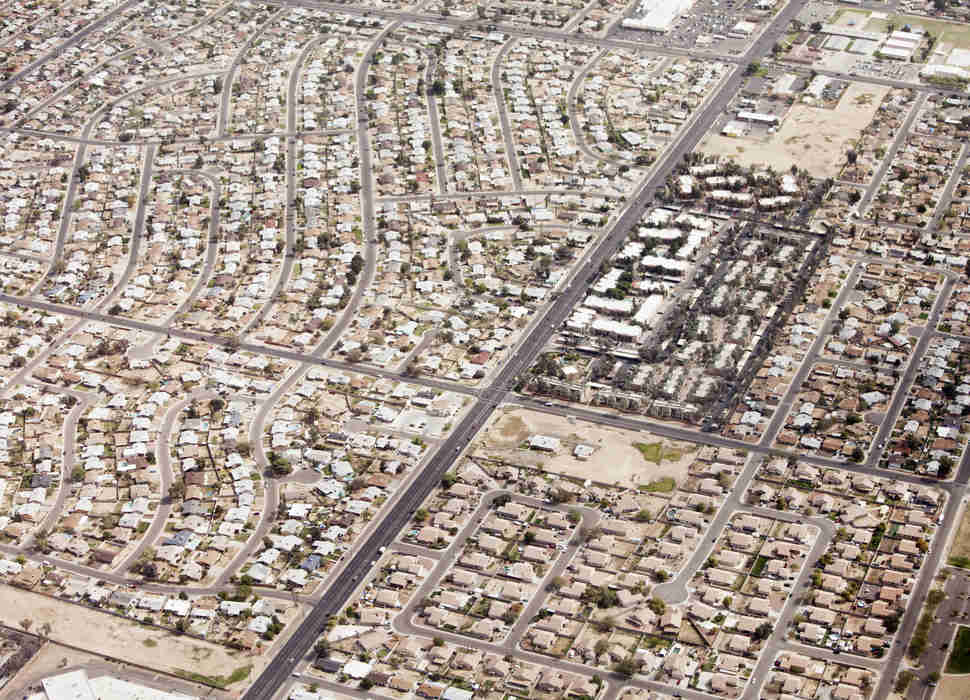
Phoenix, Arizona


Phoenix hasn’t shied away from spending on transportation projects in the past. It's one of the only cities on this list with a halfway decent light rail system, and it looks like the city is planning on investing heavily in public infrastructure thanks to the ambitious T2050 plan. Phoenix voters approved the the 35-year transportation development plan back in August of 2015; it promises several new rail lines, street improvements, and an overhauled bus program. That sort of public support is a huge signal that even cities dominated by suburban sprawl are moving toward a smarter, more accessible future.

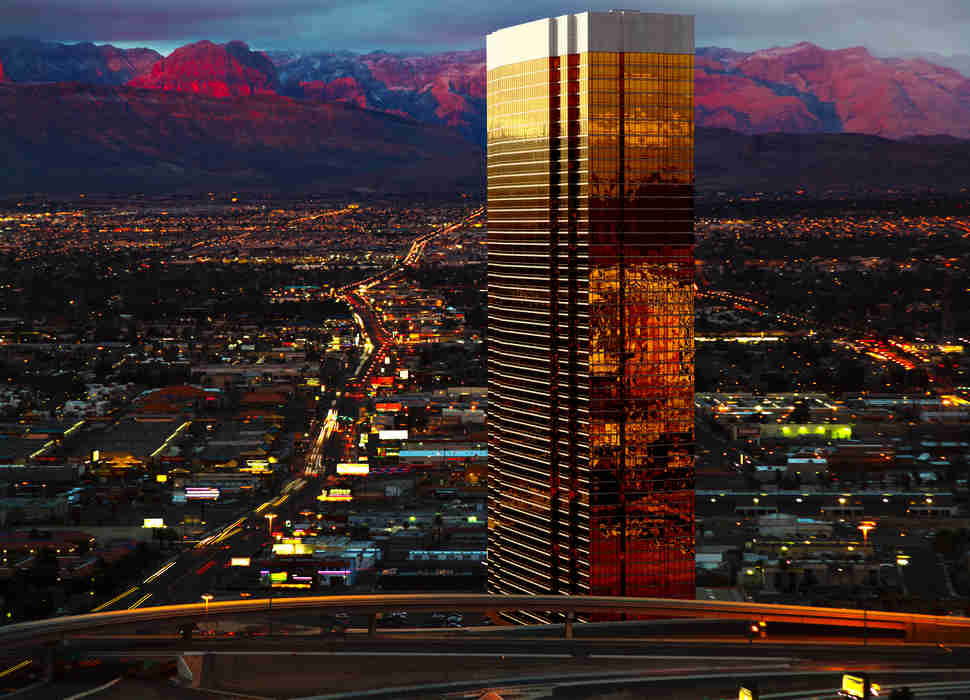
Las Vegas, Nevada


The most high-profile of Las Vegas’ actual attempts to reimagine its urban network is Tony Hsieh’s “Downtown Project,” an initiative that sought to build a “City as a Startup” within Las Vegas’ city limits. Hsieh’s vision was more Moses than Jacobs, leading Columbia professor Leah Meisterlin to offer a withering critique of the project for The Avery Review. “Walking along Fremont, I felt no active excitement, spontaneity, or curiosity,” she wrote, “but rather the growth of a scripted narrative and a correspondingly enforced restraint.” Yikes.
Luckily, Las Vegas is looking at more practical solutions to its development woes that will appeal to pedestrians. The Regional Transportation Commission of Southern Nevada recently unveiled a 30-year plan to completely reshape the city’s downtown. Look for Vegas to expand residential and commercial space in Vegas’ core and to build a transit system that connects McCarran International Airport to downtown and the Strip, potentially alleviating the most congested stretch of road in the state.

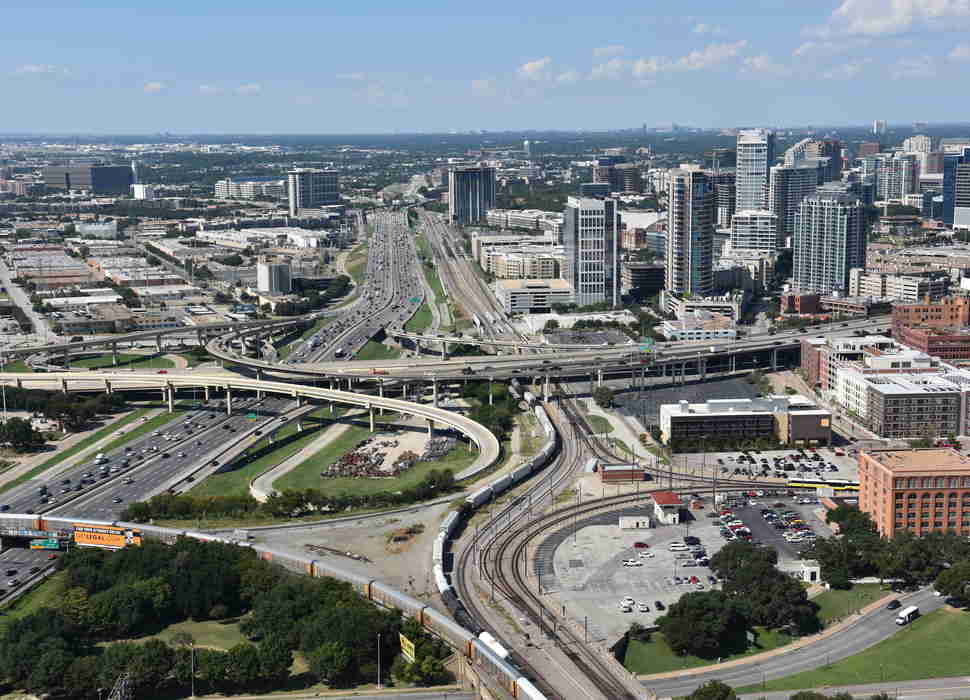
Dallas, Texas

Dallas

I’m just going to get this out of the way: Everything actually is bigger in Texas. Even the city blocks, which, in the words of my friend and Dallas-native Dave feel “like the length of entire neighborhoods in New York.” Those gargantuan block lengths are actually a terrible move for walkability, since they discourage people from doing anything but hopping in a car the minute they get outside. Dallas, like a lot of Sunbelt cities, sprawls mightily, built on the back of a housing boom that prioritized horizontal space to vertical density. Even the suburbs here are Texas-sized.
Even Dallas is improving, though. The city has invested $5 billion to build the longest light rail system in America, with 90 miles of track. The hub-and-spoke network has ushered in a transit-oriented development boom circling downtown with neighborhoods like Deep Ellum, Uptown, and the Bishops Arts District all seeing a pedestrian-friendly renaissance over the last decade. 

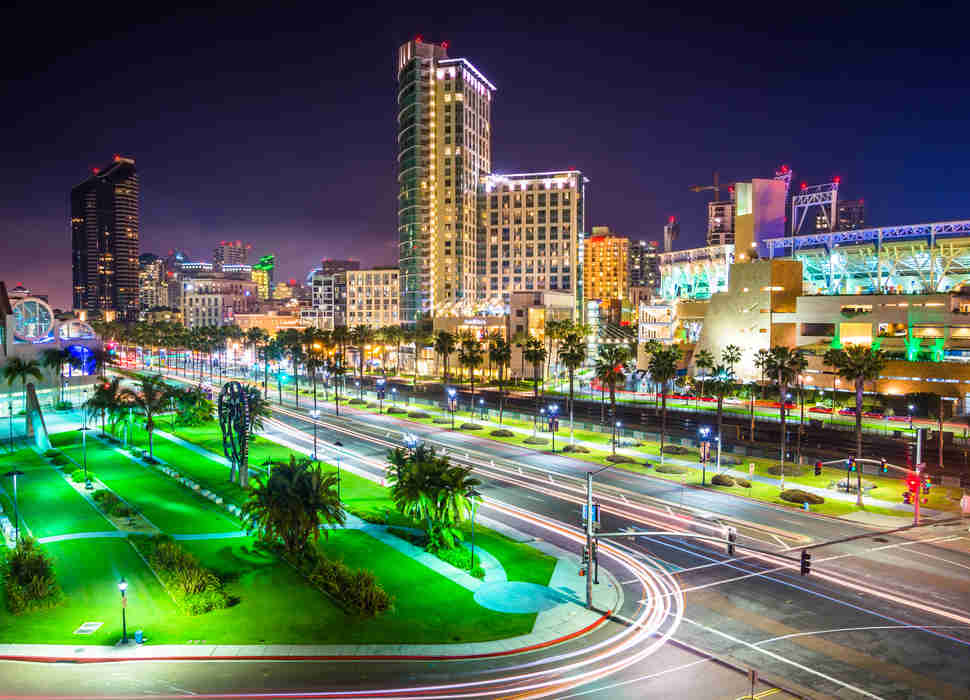
San Diego, California


That said, San Diego is trying to change that image. Its planning department is leading the charge as one the most innovative and progressive in the country. Case in point is San Diego’s attempt to become one of the greenest cities in America by reducing traffic in its congested downtown and expanding its bike lane network. San Diego also just committed $2.1 billion for a new light rail extension that will connect downtown to University City, potentially creating an 11-mile corridor of transit-oriented development that shrink the already slim list of reasons why we don’t all live in San Diego already.

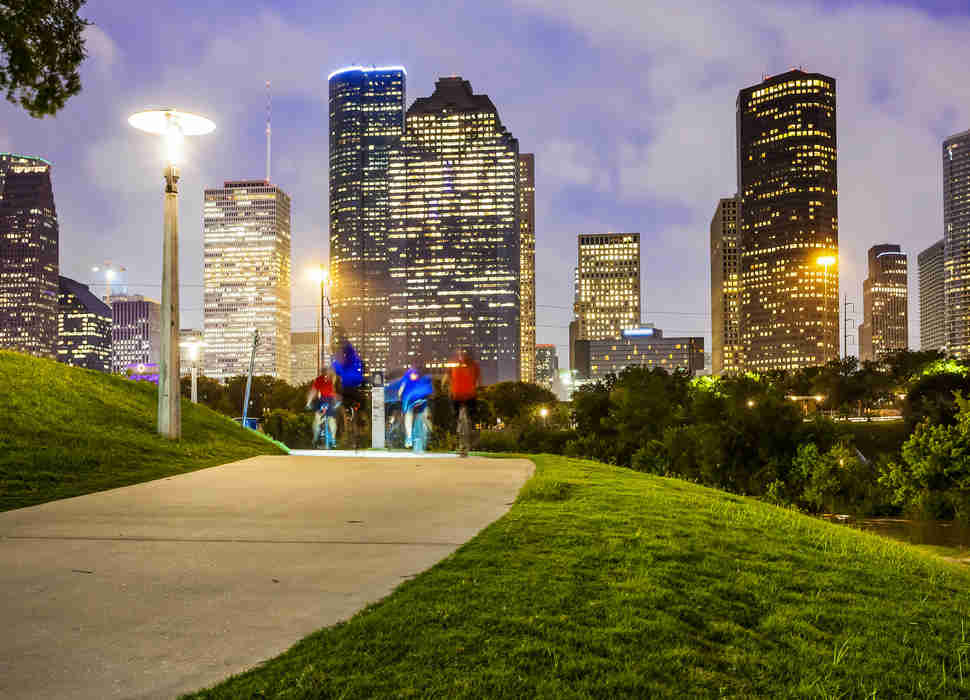
Houston, Texas


But Houston is discovering that sprawl isn’t a permanent blight, and the city has seen significant private and public investment in its urban core. Over the past eight years, Houston has completely reimagined its transit network by opening two new light rail lines and expanding another. Two additional lines are in the works with one slated to be completed by 2019. Houston also grew its bike sharing network from just 18 bikes in 2012 to more than 300 now. (Administrators are aiming for 1,000 by the end of 2017.) 

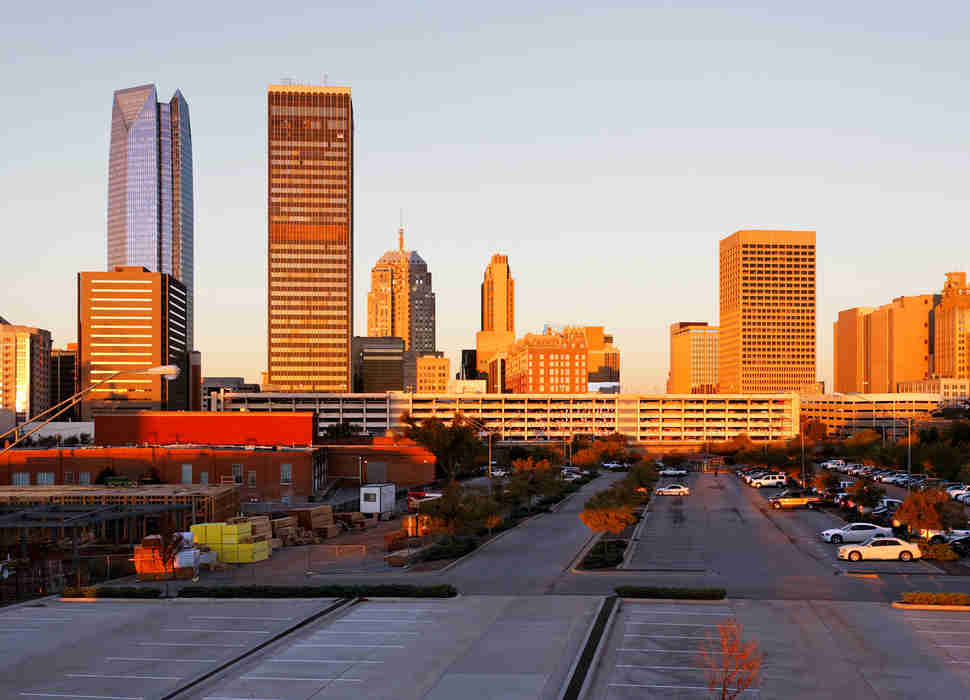
Oklahoma City, Oklahoma


Back in 2015, Oklahoma City mayor Mick Cornett issued a blunt public health challenge to his constituents: Lose some weight. (OKC has a high rate of obesity for a lot of reasons, the city’s dependence on cars and its lack infrastructure for pedestrians or cyclists among them.) It was a refreshingly frank policy initiative and Oklahomans took it seriously, losing more than a million collective pounds in the process. Mayor Cornett also backed several wide-ranging programs to help design a more active city, including spending more than $3 billion on reimagining the city’s car-oriented downtown. As Jeff Speck, author of Walkable City told Mosaic magazine back in 2015, “The American healthcare crisis is an urban design problem.” 

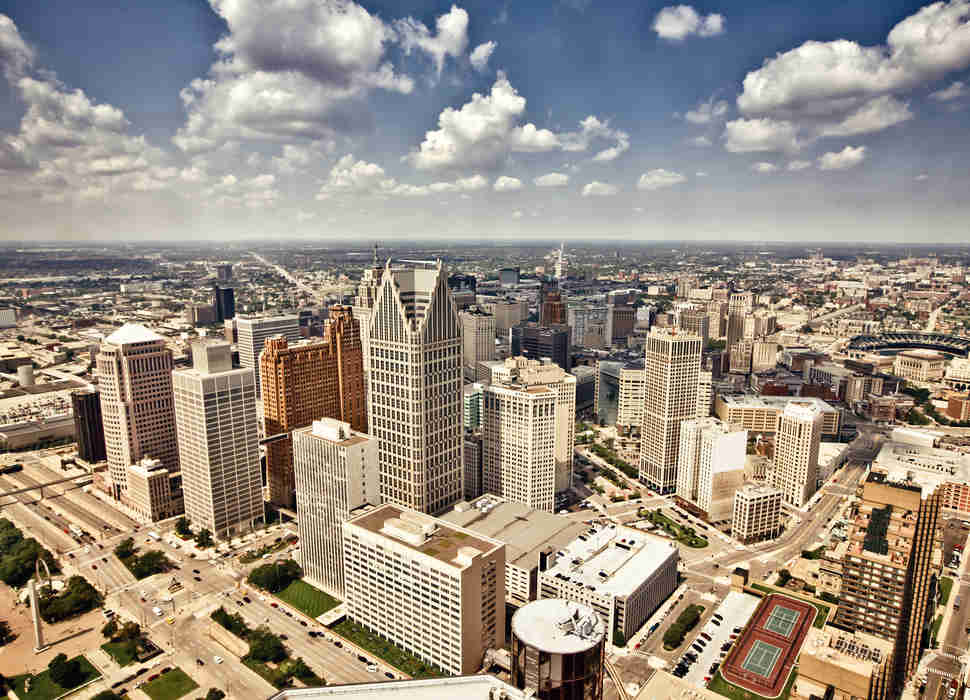
Detroit, Michigan


Detroit still ranks near the bottom of Smart Growth America’s rankings but there is a silver lining: For increasing walkability, the city came in third overall. That’s thanks to several major developers investing hundreds of millions of dollars in the city’s revitalization, culminating in Dan Gilbert’s decision to move Quicken Loans headquarters -- and 11,000 jobs -- downtown. Corktown, Detroit’s oldest neighborhood, and Midtown are two neighborhoods to check out on foot and, with the recent opening of the city’s long-awaited light rail system, by streetcar as well.
Read More

The Most Drop-Dead Gorgeous Train Rides in Europe

June 17, 2017 0
Glenfinnan Railway Viaduct

The Jacobite, Scotland

Fort William to Mallaig
Distance: 42 miles
Cost per ticket: $45
The steamy Jacobite train is movie-star famous -- you may recognize it as the Hogwarts Express from Harry Potter. This is the same route featured in the HP series and passes through unspoiled Scottish wilderness along the West Highland Railway Line. The scenery does not disappoint; from Britain’s highest peak, Ben Nevis, to the serene Loch Nevis, the train travels alongside 14th century castles, farm houses, and villages until it reaches the sea at Port Mallaig. 

Bergen, Norway

The Bergen Line, Norway

Oslo to Bergen
Distance: 230 miles
Cost per ticket: $100
Switzerland has the Alps, but Norway’s panoramic splendors are nothing to sneeze at. Not only is the Bergen Line among the most scenic mainlines in the world, at over 4,000ft above sea level it’s also the highest in Northern Europe. From Oslo, the train passes above the Hardangervidda plateau, over islands, fjords, and desolate snow-laden passes. The second leg of the seven-hour journey becomes a smorgasbord of lakes, forests, and little red Scandinavian huts probably featured on a postcard somewhere. No matter what time of year, the sunset will be at maximum awesomeness. 

switzerland bridge

Berlin, Germany to Budapest, Hungary 

Berlin, Prague, Bratislava, and Budapest
Distance: 427 miles
Cost per ticket: $39
Berlin’s central station of Hauptbahnhof is a traveler’s dreamworld where trains leave hourly to nearly all major hubs in mainland Europe. The most spectacular is an 11-hour journey leaving at 9am daily that moves through the baroque city center of Dresden before hitting Prague, Bratislava, and Budapest. The route traverses the beautiful Elbe Valley with views of the Danube River, 13th century palaces, and immense sandstone mountains along the way.

Glacier Express, Switzerland

The Glacier Express, Switzerland

St. Moritz to Zermatt
Distance: 180 miles
Cost per ticket: $150
One of the most stunning high-altitude routes in the world is also the slowest. Starting off in the shadow of the Matterhorn, the Glacier Express crawls its way through the Alpine expanse to the glamorous resort of St. Moritz, passing through 91 tunnels and over 291 bridges, plus the 213ft-high Landwasser Viaduct (a UNESCO World Heritage site). The train hits its highest point at a mountainous 6,670ft before descending back down to the Domleschg Valley, where you’ll spot age-old castles and ruins. 

River Douro, Portugal

Linha do Douro, Portugal

Porto to Pocinho
Distance: 100 miles
Cost per ticket: $15
Nothing quite compares to the theatrical splendor of Portugal’s wine region. As it rambles through the Douro River Valley (another World Heritage site), this 19th century train line hugs rugged cliff faces along massively uneven terrain, gifting views of the vineyards and olive groves. From Porto to Pocinho you’ll pass villages of whitewashed quintas and century-old train stations. 

Mostar, Bosnia and Herzegovina

Sarajevo to Mostar, Bosnia and Herzegovina

Sarajevo to Mostar
Distance: 70 miles
Cost per ticket: $5
This is easily the most gorgeous train through Eastern Europe, cruising the emerald-blue Neretva River as it transports passengers across the lush Balkan countryside.You’ll pass glacial lakes, farming villages, immense jagged rock outcrops, and 5 miles-worth of viaducts and bridges. The best is saved for last when you reach the insanely cool Lord of the Rings-esque town of Mostar, with ancient neoclassical architecture and a centuries-old, World Heritage-listed bridge. Plus, it’s only $5 to ride. 

Trolls Path, Norway

Rauma Line, Norway

Åndalsnes to Dombås
Distance: 70 miles
Cost per ticket: $30
The Rauma has one of the most dramatic descents of any rail line: It hits 2,000ft above sea level and works its way down to just 13ft on 100-plus km of track. On the ride you’ll take in an obscene amount of mountain porn, with views of the turquoise-colored Rauma River, the Reinheimen National Park, and the famous Trollveggen (Troll Wall) -- Europe’s highest vertical mountain wall. It also crosses 32 bridges, including the Kylling Bridge that sits 200ft above the charging river beneath. There’ve been talks of replacing the Rauma with a high-speed railway, so get on it before it’s gone for good. 

Pfalzgrafenstein, Kaub Germany

Central Rhine Railway, Germany

Mainz to Koblenz
Distance: 40 miles
Cost per ticket: $20
This is the most German of all German trains; a breathtaking dive through the Rhine Valley’s dramatic slate mountain passes and terraced hillsides dotted with 14th century castles. The line from Mainz to Koblenz hugs the meandering Rhine and the most picturesque wine country in Europe, stopping off at each and every little junction along the way so you can see the castles of Marksburg, Stolzenfels, and Burg Pfalzgrafenstein. The latter is a former 14th century toll station protruding from the middle of the Rhine.
Read More

Post Top Ad